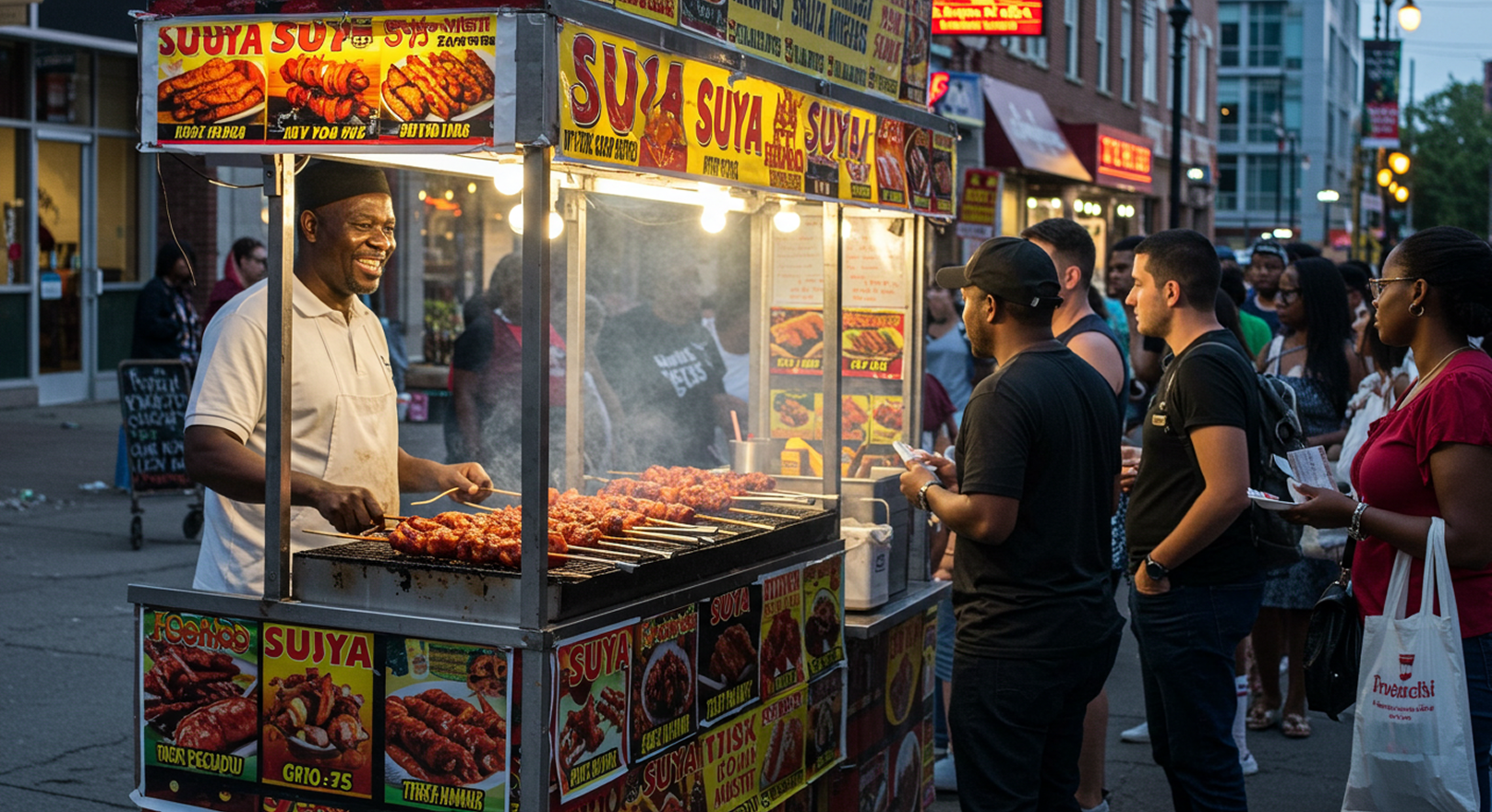
Every year, Nigerians living abroad send more than $20 billion back home, placing Nigeria among the countries with the highest remittance inflows globally. But financial remittances tell only part of the story. Across the United States, the United Kingdom, Canada, Europe, and beyond, diaspora Nigerians are building thriving businesses that sustain families, create jobs, preserve culture, and shape international markets. From Afro-food brands and fashion labels to logistics companies, professional services, and technology startups, the Nigerian diaspora is quietly powering a global economic ecosystem. Today, diaspora entrepreneurship is not just about survival, it is about influence, innovation, and long-term economic impact.
The Rise of the Nigerian Diaspora Business Economy
Over the past decade, Nigerian-owned businesses abroad have grown rapidly as migration increased and global access to digital platforms improved. Many entrepreneurs initially started as side hustlers, providing catering services, tailoring, hair styling, and event support within local Nigerian communities. Over time, many of these small ventures evolved into fully registered businesses serving multicultural markets. Several factors are driving this growth:
Expanding Nigerian populations in major global cities
Increasing demand for African food, fashion, and cultural services
Access to digital payment systems and e-commerce tools
Strong community referral networks within diaspora communities
Today, Nigerian diaspora businesses span industries including healthcare consulting, legal services, beauty brands, import/export trade, real estate services, logistics, technology solutions, and education consulting.
Remittances: More Than Money Transfers
Remittances remain one of the most visible economic contributions of Nigerians abroad. These funds support:
Family living expenses
Education and healthcare costs
Real estate development
Investments in local businesses
Community development initiatives
However, diaspora entrepreneurship amplifies this impact. Business owners do not only send money home: they create cross-border economic activity, import Nigerian products into global markets, employ workers locally and internationally, and invest in ventures that stimulate economic circulation both abroad and in Nigeria. In many cases, diaspora-owned businesses also act as trade bridges, connecting Nigerian suppliers, artisans, farmers, and manufacturers to global consumers.
The Cultural Economy: Preserving Identity Through Enterprise
Beyond financial contributions, diaspora Nigerian entrepreneurs play a key role in preserving culture globally. Restaurants serving authentic Nigerian cuisine, fashion designers promoting Ankara and Aso-Oke designs, and cultural event planners organizing Nigerian weddings and festivals all contribute to the global visibility of Nigerian culture. These businesses help second-generation Nigerians maintain cultural connections while introducing non-Nigerian customers to Nigerian traditions, food, music, and fashion. As global demand for African culture grows, diaspora entrepreneurs are increasingly positioned as cultural exporters, shaping global perceptions of Nigeria.
The Visibility Challenge Facing Diaspora Businesses
Despite their impact, many Nigerian-owned businesses abroad face one persistent challenge: visibility. Unlike large corporations with significant marketing budgets, many diaspora entrepreneurs rely heavily on word-of-mouth referrals, WhatsApp groups, and social media discovery. This often limits their ability to scale beyond immediate community networks. Customers, on the other hand, frequently struggle to locate trusted Nigerian-owned vendors when they need them: whether for catering, professional services, beauty appointments, or event planning. This disconnect creates missed opportunities for both businesses and consumers.
How the NDH Platform Is Strengthening the Diaspora Business Ecosystem
Digital discovery platforms are beginning to play a crucial role in solving this visibility gap. Naija Diaspora Hub (NDH) is designed to help Nigerians abroad easily find, connect with, and support verified Nigerian-owned businesses across countries like the United States, the United Kingdom, and Canada. By organizing businesses into searchable categories and enabling direct connections between customers and vendors, NDH help:
Increase business visibility for diaspora entrepreneurs
Simplify discovery for customers seeking trusted Nigerian services and products
Strengthen economic collaboration within diaspora communities
Support the long-term growth of Nigerian-owned enterprises globally
As more businesses join centralized directories and discovery platforms, the diaspora economic network becomes more structured, accessible, and scalable.
The Future of the Nigerian Diaspora Economy
The Nigerian diaspora economy is still expanding. With increasing global mobility, growing international interest in African culture, and rapid digital platform adoption, diaspora entrepreneurs are positioned to play an even greater role in global commerce over the next decade. Future growth is expected to come from:
Cross-border e-commerce between Nigeria and diaspora markets
Expansion of African lifestyle and cultural brands internationally
Technology-enabled professional services
Community-driven marketplaces connecting diaspora buyers and vendors
Collaborative investment networks within diaspora communities
As these trends accelerate, the economic contribution of Nigerians abroad will extend far beyond remittances, shaping industries, trade patterns, and cultural markets worldwide.
Conclusion
Nigerians abroad are not only sending billions of dollars home, they are building businesses, expanding markets, preserving culture, and strengthening global economic connections. Their impact is visible in thriving local communities, international trade relationships, and the growing global presence of Nigerian brands. With improved visibility tools, stronger networks, and platforms like NDH that connect customers directly to trusted vendors, the diaspora business ecosystem is entering a new phase of growth, one where Nigerian-owned businesses can scale faster, reach wider audiences, and contribute even more significantly to the global economy.